Indonesia Luxury Phinisi — Raja Ampat Luxury Phinisi Liveaboar…
Indonesia Luxury Phinisi is a curated Indonesia luxury tourism experience offered by Indonesialuxuryphinisi Guide: handpicked routes, vetted operators, transparent pricing, and 24/7 concierge support across Indonesia.
- What makes Indonesia Luxury Phinisi a premium experience.
- How Indonesialuxuryphinisi Guide curates exclusive access and concierge logistics.
- Routes, seasons, and pricing transparency — no hidden fees.
Raja Ampat Luxury Phinisi Liveaboard: Diving Wayag, Misool & Dampier Strait
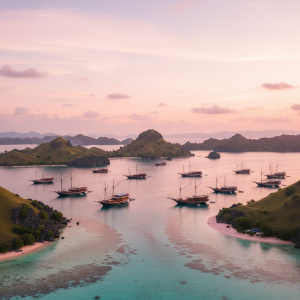
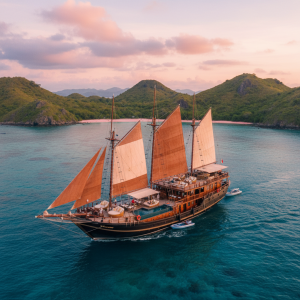
A Raja Ampat luxury phinisi liveaboard is a private-charter Bugis schooner cruising the Coral Triangle’s most biodiverse archipelago, the four-island regency of West Papua, with onboard accommodation, gourmet kitchen, and dedicated dive deck for seven to twelve nights. Voyages depart Sorong, the regional gateway, accessible by direct flight from Jakarta, Makassar, or Manado. Itineraries weave through the karst archipelago of Wayag and Piaynemo in the north, the Dampier Strait dive sites around Cape Kri and Mioskon, and the southern Misool atolls of Boo Window, Magic Mountain, and Yilliet.
What Is a Raja Ampat Luxury Phinisi Liveaboard?
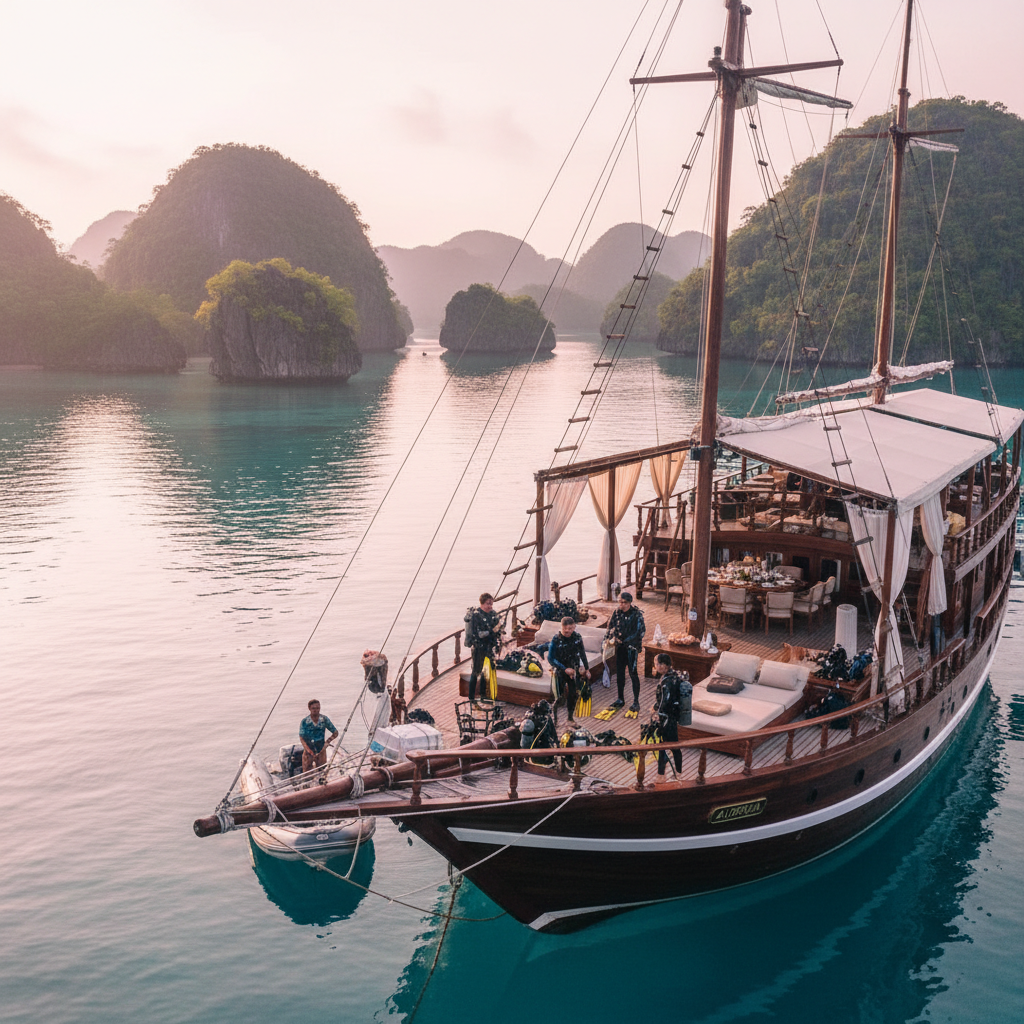
A luxury phinisi liveaboard in Raja Ampat is a vessel where you live, dive, and dine on board for the duration of the voyage. Charter hire includes the entire schooner, captain, dive guides (typically 2-4), chef and galley team, deck crew, all meals, dive packages, kayaks, paddleboards, and tender excursions. Cabins are en-suite, air-conditioned, with hot showers and 220V universal sockets. Premium and Ultra-tier liveaboards add master suites, dedicated indoor lounge, sundeck spa, and dive lockers per guest.
Indicative pricing for Raja Ampat liveaboard charters runs USD 18,000-30,000 weekly for Classic 5-cabin, USD 38,000-65,000 for Premium 7-cabin, and USD 75,000-110,000 for Ultra 10-cabin flagships. Raja Ampat carries a slight premium over Komodo because of repositioning fuel and the Sorong logistical chain.
Why Raja Ampat Sets the Global Diving Benchmark
Raja Ampat hosts 1,508 reef fish species and 553 coral species within a single regency, biodiversity figures unmatched anywhere on the planet, documented by Conservation International’s marine surveys. The Dampier Strait alone holds more reef fish species than the entire Caribbean. Manta rays, wobbegong sharks, walking sharks (Hemiscyllium ssp.), pygmy seahorses, schooling fusiliers, sweeping batfish curtains, and the periodic rainbow runner blitz are core encounters. Visibility breaks 30 metres in dry season at Cape Kri.
The Three Phinisi Regions of Raja Ampat
1. Wayag & Piaynemo (Northern Karst)
The signature aerial photograph of Raja Ampat, the karst pinnacles rising from translucent lagoons, is taken at Pianemo viewpoint after a 320-step climb. From a phinisi anchored in Wayag’s protected bay, you tender to Pianemo at sunrise, then kayak the inner lagoon labyrinth and snorkel Wayag’s reef shark cleaning station. Wayag is a one-night anchorage, often the northern turn-around for a 10-12 night voyage.
2. Dampier Strait (Central Diving Heartland)
The strait between Waigeo and Batanta hosts the iconic dive sites, Cape Kri, Sardine Reef, Blue Magic, Mioskon, Mike’s Point, and Chicken Reef. Cape Kri holds the world record for fish species counted on a single tank dive (374 species, set by Dr Gerry Allen). Currents at Blue Magic and Sardine can exceed 3 knots, drift dives are the norm. Phinisi liveaboards anchor at the Mansuar Channel and run two morning, one afternoon, and one optional night dive per day.
3. Misool (Southern Atolls)
The Misool archipelago, eight hours overnight sail south of Mansuar, is the connoisseur’s reward. Magic Mountain, Boo Window, Whale Rock, and Yilliet Island deliver soft coral cathedrals, manta cleaning stations, and the periodic encounter with eagle rays in formation. Misool is paired with the Misool Eco Resort marine protected area, the gold-standard locally-managed marine park. Phinisi voyages spend 2-4 nights in Misool, the most pristine pocket of the archipelago.
Dive Package & Equipment On Board
Premium and Ultra-tier phinisi we charter ship with: 12-litre and 15-litre aluminium cylinders, Bauer compressors with Nitrox membrane (Nitrox 32% available on flagships), full BCD/regulator/wetsuit rentals (3mm or 5mm), DSMB and reels for every diver, dive lights for night dives, GoPro mounts on tenders, oxygen kit, AED, and DAN-insured crew. Dive guides are Indonesian PADI Master Scuba Divers or Divemaster Trainers with 1,000+ logged Raja Ampat dives.
Daily structure: 6:00 a.m. wake-up coffee, 6:30 a.m. dive briefing, 7:00 a.m. splash, 8:30 a.m. cooked breakfast, 10:30 a.m. second dive, 12:30 p.m. lunch underway, 2:30 p.m. third dive, 4:00 p.m. kayak/SUP, 5:30 p.m. sundowners, 7:00 p.m. dinner, optional 8:30 p.m. night dive (mandarinfish at Arborek jetty).
Macro Photography Highlights
Raja Ampat is paradise for macro shooters. Pygmy seahorses (Hippocampus bargibanti, denise, pontohi) cling to gorgonians at Mioskon and Cape Kri, walking sharks shuffle across sand at night, mandarinfish (Synchiropus splendidus) court at dusk in Arborek, blue-ringed octopus and flamboyant cuttlefish frequent muck dives at Sorong’s Pulau Aljui. Many flagship phinisi carry rinse buckets per camera rig, dedicated camera tables on the dive deck, and 220V Mac/PC charging in the lounge.
Sample 10-Night Raja Ampat Phinisi Itinerary
- Day 1 – Embark Sorong, transit to Yangello/Friwen, two check-out dives.
- Day 2 – Cape Kri morning, Sardine Reef noon, Mike’s Point afternoon, Mansuar anchorage.
- Day 3 – Blue Magic dawn, Manta Sandy, Chicken Reef sunset, Arborek night dive.
- Day 4 – Sail north overnight to Wayag, sunrise Pianemo, Wayag lagoon kayak.
- Day 5 – Wayag dives, return south, Mansuar anchorage.
- Day 6 – Cape Kri reps, Mioskon pygmy seahorses, Yenbuba village visit.
- Day 7 – Sail south overnight to Misool, dawn at Wayilbatan.
- Day 8 – Magic Mountain mantas, Boo Window, Yilliet Kecil.
- Day 9 – Whale Rock, Daram, Misool Eco Resort tour, Sagof Island sunset.
- Day 10 – Final morning dive at Tank Rock, transit Sorong, disembark midday Day 11.
Best Time to Sail Raja Ampat by Phinisi
October to April is the dry season window with calmest seas, peak visibility (30+ metres), and densest pelagic encounters. November and December see manta peak at Manta Sandy and Magic Mountain. July-September can run choppier in the Dampier Strait and many phinisi reposition to Komodo for that quarter. We advise repeat phinisi guests to choose January-March, the visibility is glassy, the manta encounters are reliable, and the resort guests have not yet flooded the central sites.
Onboard Hospitality & Chef
Raja Ampat phinisi chefs blend fresh-caught reef fish (snapper, grouper, trevally) with provisions from Sorong’s morning market and luxury imports flown from Jakarta. Daily structure ranges six small meals: pre-dive coffee + pastry, full hot breakfast post-dive 1, smoothie + fruit between dives 2 and 3, hot lunch, sundowner canapes, and a multi-course dinner. Dietary preferences (vegan, vegetarian, gluten-free, halal, kosher) are confirmed at briefing. Indonesian classics rotate with international fine dining, expect rendang one night and pan-seared duck breast the next.
Heritage Layer: Phinisi in Papuan Waters
The Bugis trading network reached Papua in the 17th century, exchanging textiles and porcelain for bird-of-paradise plumes and trepang (sea cucumber). The phinisi we charter are crewed by 70% Bugis-Konjo seamen and 30% local Papuan divemasters and chefs, a mixed crew that mirrors the historic trading dynamic. The captain’s cabin often holds a small mihrab for prayer, the chef’s galley grinds Bali coffee at dawn, and the dive guides chant a brief sea-protection blessing before the first splash, traditions older than any modern dive certification.
Logistics: Getting To and From Sorong
Sorong (SOQ airport) is reached daily from Jakarta (CGK), Makassar (UPG), and Manado (MDC). Garuda Indonesia, Batik Air, Lion Air, and Sriwijaya operate the routes; flight time from Jakarta is roughly 4 hours. We recommend overnighting at Swiss-Belhotel Sorong or the Aston Sorong before embarkation, charters typically board at 14:00. Disembarkation is normally pre-noon. Direct seaplane transfers Bali-Sorong are available on request via Susi Air at premium pricing.
Compare With Other Indonesia Phinisi Routes
If you have already sailed Komodo by phinisi, Raja Ampat is the natural progression, less hiking, more diving, more remote. If you are weighing phinisi versus a steel-hull superyacht, see our honest comparison at Phinisi vs Superyacht in Indonesia. The full vessel tier table sits on our Indonesia luxury phinisi page.
Decoding the Raja Ampat Diving Season: When to Charter Your Phinisi
Timing is a critical component of a successful private charter, particularly in a region governed by powerful oceanic currents and monsoonal winds. While Raja Ampat offers world-class marine encounters year-round, the optimal period for exploration, known as the primary Raja Ampat diving season, runs from October through April. During these months, the seas are typically calm, the skies are clear, and underwater visibility can extend beyond 30 meters. This season represents the dry season, providing the most comfortable and reliable conditions for navigating between islands, diving, and enjoying surface activities like kayaking and paddleboarding.
This peak period aligns with the highest concentration of pelagic life. Manta rays, both oceanic and reef varieties, are frequently sighted at their cleaning stations, especially within the nutrient-rich waters of the Dampier Strait. The water temperature remains a consistent 28-30°C (82-86°F), ideal for long, multi-dive days. This is the time to witness the full spectacle of Raja Ampat’s biodiversity, from vibrant soft coral gardens in Misool to the staggering schools of fish that define the region.
The shoulder months, specifically May and September, can also offer exceptional value and a more secluded experience. Conditions remain largely favorable, though the chance of rain increases slightly as the seasons transition. The monsoon season, from June to August, brings stronger winds and surface chop, particularly affecting the southern region of Misool. While many operators cease operations, a bespoke charter on a robust vessel can still navigate the more sheltered central and northern areas, offering a unique opportunity for those willing to embrace more variable conditions. For travelers whose schedules are limited to these summer months, a private charter in Komodo National Park presents an excellent alternative, as it experiences its prime season during this time.
Raja Ampat Seasonal Overview
| Month | Sea Conditions | Avg. Visibility | Marine Life Highlights |
|---|---|---|---|
| Oct – Dec | Calm, flat seas | 25-30m+ | Peak manta season, excellent fish schooling activity. |
| Jan – Apr | Generally calm, minimal rain | 20-30m | Consistent pelagic sightings, ideal for all regions. |
| May & Sep | Variable, calm periods | 15-25m | Shoulder season, fewer boats, good overall diving. |
| Jun – Aug | Choppy, especially in the south | 10-20m | Low season; central/north may be accessible. |
Ultimately, the decision of when to visit depends on your specific objectives. For the quintessential Raja Ampat experience with the most predictable and favorable conditions, the October to April window is unmatched. Our team possesses intimate, real-time knowledge of the archipelago’s microclimates and can advise on the perfect timing for your voyage. We craft itineraries that maximize marine encounters and guest comfort, ensuring your journey is nothing short of extraordinary. Explore our fleet of Indonesia luxury phinisi to discover the ideal vessel for your expedition.
Exploring the Four Kings: A Regional Guide to Your Charter
The name Raja Ampat, translating to the ‘Four Kings,’ refers to the four main islands of Salawati, Batanta, Waigeo, and Misool. However, the cruising ground encompasses over 1,500 jungle-clad islands, islets, and cays, which can be broadly categorized into three distinct regions: North, Central, and South. A private charter provides the unique ability to tailor an itinerary that focuses on one or combines the highlights of all, depending on the length of your voyage. Understanding the character of each region is key to designing your perfect expedition.
The North: The Realm of the Wayag Islands
The northern region is defined by the iconic, labyrinthine karst seascape of the Wayag Islands. This is the image that defines Raja Ampat for many—a breathtaking panorama of mushroom-shaped islands set in turquoise water. Reaching this remote area requires a significant voyage and special permits, making it an exclusive experience reserved for longer charters. The reward is unparalleled scenery, pristine and rarely visited dive sites, and the profound sense of being at the edge of the world. The climb to the Wayag viewpoint is strenuous but delivers one of the most memorable vistas in all of Indonesia.
The Center: The Vibrant Dampier Strait
The central region is the archipelago’s bustling heart, bisected by the Dampier Strait. This channel acts as a funnel for the Indonesian Throughflow, creating nutrient-rich currents that support an incredible density of marine life. This is where you find legendary dive sites like Cape Kri and Blue Magic, known for “fish tornadoes” and congregations of large pelagics. The Central region is also home to the equally stunning, and more accessible, Pianemo viewpoint. For terrestrial excursions, this area offers the best opportunities for a pre-dawn birds of paradise trek to witness their elaborate mating dances.
The South: The Biodiversity of Misool
To the south, the Misool region is a sanctuary of biodiversity, fiercely protected by a network of ranger patrols and the pioneering efforts of the Misool Eco Resort. This area is celebrated for its kaleidoscopic soft coral gardens, vast sea fans, and unique underwater topography featuring swim-throughs and caverns. The water is often clearer and calmer here, and the reefs are considered by many marine biologists to be among the most pristine and resilient on the planet. A charter focused on Misool is an immersion into a world of vibrant color and unparalleled marine health.
Comparing Raja Ampat’s Regions
| Region | Key Feature | Dive Style | Topside Activity |
|---|---|---|---|
| North | Iconic Karst Scenery (Wayag) | Exploratory, remote reefs | Strenuous viewpoint hikes |
| Central | High-Density Marine Life | Current-rich drift dives | Pianemo viewpoint, birdwatching |
| South | Pristine Soft Coral Reefs | Macro life, relaxed exploration | Kayaking, visiting ancient rock art |
Crafting the perfect Raja Ampat itinerary is an art form, balancing travel time with immersive experiences. Whether you are drawn to the dramatic landscapes of the north or the vibrant reefs of the south, a private charter is the only way to truly unlock the secrets of the Four Kings. Allow us to design a bespoke journey that aligns with your vision. Begin planning your expedition by viewing our curated collection of private phinisi charters.
Beyond the Four Kings: A Banda Sea & Spice Islands Expedition
For the seasoned traveler and avid diver seeking an expedition that transcends conventional luxury travel, a crossing voyage through the Banda Sea is the ultimate Indonesian odyssey. These are not standard itineraries; they are true expeditions, often undertaken only twice a year during the calm inter-monsoon periods of April/May and September/October. These “transition” or “crossing” trips connect the world-class diving of Raja Ampat with other remarkable destinations like Komodo or Flores, charting a course through the legendary Spice Islands.
The journey navigates a stretch of ocean steeped in history and geological drama. The Banda Islands were once the world’s only source of nutmeg and mace, spices that commanded more value than gold and drew European powers into conflict. A stop in Banda Neira is like stepping back in time, with its Dutch colonial architecture, crumbling forts, and the quiet pace of island life. Here, you can walk through verdant nutmeg plantations and learn about a history that literally shaped the modern world. This rich cultural layer adds a profound depth to the voyage, distinguishing it from a purely nature-focused trip.
The marine encounters on this route are as legendary as its history. The Banda Sea is a major migration route for cetaceans, and sightings of whale sharks, sperm whales, and vast pods of dolphins are common. The itinerary often includes a stop at Gunung Api, a volcanic island famous for its population of sea snakes. Further south, the “Forgotten Islands” offer some of the most untouched and unexplored reefs in the archipelago, with staggering coral walls and immense schools of fish. For pelagic enthusiasts, certain atolls in the Banda Sea are renowned as aggregation sites for schooling scalloped hammerhead sharks, an encounter that sits at the pinnacle of any diver’s logbook. A voyage of this magnitude typically begins or concludes with a Sorong yacht charter, the primary logistical hub for Raja Ampat.
A Banda Sea crossing is a commitment to adventure, covering vast distances over open ocean. It requires a seaworthy vessel, an expert crew, and a flexible, expedition-focused mindset. It is an experience for those who have perhaps already explored the dragons of Komodo or the reefs of Raja Ampat and now crave a deeper, more profound connection with the Indonesian archipelago. This is not just a vacation; it is a modern-day exploration in absolute comfort and safety.
Embarking on a Spice Islands expedition is to join a select group of travelers who have ventured into one of the world’s most remote and rewarding maritime regions. If the spirit of discovery calls to you, we can facilitate this extraordinary journey. Contact our specialists to discuss the unique opportunities and logistical considerations of a Banda Sea crossing aboard one of our premier Indonesian phinisi yachts.
The Culinary Journey: Gourmet Dining on a Luxury Phinisi
On a private phinisi charter, the culinary experience is not an afterthought; it is a central pillar of the luxury service, designed to be as memorable as the landscapes and underwater worlds you explore. The journey is a gastronomic one, curated by a professional private chef and a dedicated service team who transform the yacht’s galley and dining areas into a world-class restaurant. Every meal is an event, tailored precisely to your preferences and dietary requirements, ensuring a level of personalization that is simply unattainable in any other travel format.
Your culinary adventure begins long before you step aboard. Prior to your charter, our team will provide a detailed preference sheet, inquiring about your favorite cuisines, dishes, ingredients, and any allergies or dietary restrictions. Whether you desire sophisticated plant-based menus, gluten-free preparations, or specific meals for children, our chefs are adept at crafting exquisite dishes that cater to every palate. This bespoke approach extends to the sourcing of ingredients. Whenever possible, your chef will procure provisions from local markets—fresh, line-caught fish from a village fisherman, exotic fruits and spices from an island market—blending the best of local produce with high-quality imported goods.
A typical day’s dining is a showcase of variety and quality. Awaken to the aroma of freshly brewed coffee, followed by a pre-dive snack of fruit and pastries. After your first immersion, a sumptuous breakfast awaits, with options ranging from à la carte plated dishes like eggs benedict to elaborate buffets of local and international favorites. Lunch is often a multi-course affair, perhaps featuring fresh salads, grilled seafood, and light, flavorful curries, enjoyed al fresco on the main deck. As the sun begins to set, the crew serves handcrafted cocktails and elegant canapés, a perfect prelude to the evening’s main event. Dinner is a refined dining experience, often served under the stars, with meticulously plated courses that might include seared scallops, prime beef tenderloin, or a traditional Indonesian ‘Rijsttafel’ feast, all paired with a selection of fine wines from the yacht’s cellar.
This commitment to culinary excellence elevates the entire charter experience. It provides not just sustenance, but delight, comfort, and a deeper connection to the region’s flavors. It is the assurance that after a thrilling day of exploration, whether in Raja Ampat or on a Komodo dragon tour, you will return to a vessel that caters to your every comfort, starting with an exceptional meal. The galley is the heart of the phinisi, and our chefs take immense pride in making it beat with passion and creativity.
To learn more about the specific culinary programs and sample menus available on our vessels, we invite you to explore our fleet. Each luxury phinisi charter is staffed with a chef dedicated to making your voyage a masterpiece of flavor and refinement. Let us craft a menu that becomes a highlight of your journey.
The Soul of the Ship: A Brief History of the Phinisi and Bugis Seafarers
To sail upon a phinisi is to become part of a maritime legacy that stretches back centuries. These magnificent two-masted wooden vessels are not mere replicas; they are the modern evolution of a shipbuilding tradition so profound that it has been recognized by UNESCO as a Masterpiece of the Oral and Intangible Heritage of Humanity. The story of the phinisi is inextricably linked to the Bugis and Konjo people of South Sulawesi, some of the most skilled and revered seafarers in the history of the Malay Archipelago.
For centuries, the Bugis sailors mastered the treacherous waters of Indonesia, navigating by the stars, winds, and currents. Their hand-built vessels were the lifeblood of the region, carrying spices, textiles, and goods across vast oceanic distances, long before the arrival of European powers. The traditional phinisi was a pure sailing cargo vessel, a testament to indigenous ingenuity. The construction process itself is a remarkable cultural ritual. Master builders, known as ‘punggawa’, work without blueprints, relying on knowledge passed down through generations. The entire vessel is constructed on a beach, using traditional tools and techniques, with ceremonies marking key stages from the laying of the keel to the final launch.
The classic phinisi silhouette is defined by its gaff-ketch rig, typically with seven sails—three on the foremast, two on the mainmast, and two jibs. This configuration was engineered for power and reliability on long-haul trading routes. While today’s luxury phinisis are equipped with powerful marine engines for safety and schedule adherence, many captains still take immense pride in hoisting the sails when conditions permit, allowing guests to experience the silent, majestic power of wind-driven travel. It is a deeply moving experience to feel the ship respond to the breeze, connecting you to the generations of Bugis sailors who plied these same waters.
The vessels available for private charter today represent a beautiful synthesis of this ancient heritage and modern luxury. The hull is still built using the time-honored methods, often by the same families of shipwrights in Sulawesi. However, the interiors are designed by world-class naval architects and fitted with state-of-the-art navigation systems, safety equipment, watermakers, and elegantly appointed cabins with air-conditioning and en-suite bathrooms. This fusion creates a vessel with the soul of a traditional schooner but the comfort and amenities of a five-star private resort. Whether you are exploring the remote islands of Raja Ampat or the iconic landscapes of the Komodo National Park, the vessel itself is a central part of the story.
Choosing a phinisi charter is an act of cultural appreciation. It supports the continuation of a unique shipbuilding art form and honors the legacy of the Bugis seafarers. It is an opportunity to travel not just in style, but with a sense of history and authenticity. We invite you to discover the unique character and story behind each of the vessels in our curated phinisi fleet and find the perfect ship to carry you on your Indonesian adventure.
Begin Your Raja Ampat Liveaboard
Our atelier holds the booking, briefs the captain on your dive certifications and macro priorities, coordinates Sorong logistics, and is on WhatsApp 24/7 during the voyage.
Email: [email protected]
WhatsApp: +62 811-3823-875
Request Your Raja Ampat Phinisi Liveaboard Quotation