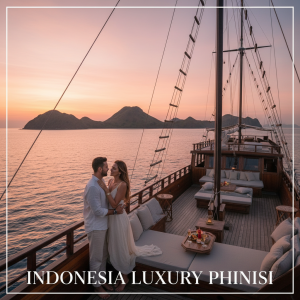
Finding the Best Private Phinisi in Indonesia for Families
- Safety First: Features dedicated safety netting, SOLAS-compliant gear, and crew certified in pediatric first aid.
- Bespoke Itineraries: Focuses on shorter sailing times, calm anchorages, and age-appropriate activities like junior dive courses and beach treasure hunts.
- Dedicated Spaces: Offers flexible cabin configurations, such as adjoining rooms or family suites, and common areas designed for both play and relaxation.
The first light of dawn spills across the deck, painting the calm waters of the Dampier Strait a soft, liquid gold. You’re holding a warm cup of Sumatran coffee, the rich aroma mingling with the salt-tinged air. Beside you, your children are not staring at screens; they are leaning over the polished ironwood railing, their faces alight with wonder as a pod of dolphins crests the surface just 50 meters from the bow. This isn’t a dream. This is the rhythm of life aboard a private charter, a floating sanctuary crafted to forge the kind of family memories that last a lifetime. But navigating the world of indonesia luxury phinisi charters requires more than just picking a pretty boat from a website. It demands a deeper understanding of what transforms a simple voyage into a truly seamless family odyssey.
Beyond the Brochure: What Truly Defines a Family-Friendly Phinisi?
In my two decades of covering high-end experiential travel, I’ve learned that the true measure of a vessel’s suitability for families lies far beyond its cabin count or the gloss of its marketing materials. The search for the best private phinisi indonesia for families begins with a critical look at its design, crew, and overarching philosophy. It’s about nuance. For instance, consider the deck layout. A single, continuous main deck is infinitely safer for toddlers than a multi-level design with steep staircases. I once spoke with Captain Iwan, a veteran of over 300 charters in the archipelago, who told me, “The best family boats are the ones where the parents can relax. We install discreet, high-tension safety netting before any family comes aboard. It’s a small detail, but it means a parent can read a book for ten minutes without worry.” This commitment to practical safety is non-negotiable. Look for vessels that not only meet but exceed international safety standards, equipped with Emergency Position Indicating Radio Beacons (EPIRBs), satellite phones, and a crew that runs drills not just annually, but weekly. The traditional Phinisi design, a masterpiece of UNESCO-recognized intangible cultural heritage, has been adapted for modern luxury, and the finest examples integrate these safety systems seamlessly into their classic form.
Itinerary Curation: Crafting a Voyage for All Ages
A standard Komodo itinerary designed for adventurous dive couples will likely prove disastrous for a family with a six-year-old and a teenager. The key to a successful family charter is radical customization. A skilled charter specialist doesn’t just ask for your destination; they inquire about your family’s rhythm, interests, and energy levels. This means shorter sailing times—think three to four hours between idyllic anchorages, not eight-hour open-sea crossings. It means anchoring in coves so calm you can paddleboard with your youngest while the teens snorkel a nearby reef. The activities themselves must be layered. While the adults enjoy a challenging drift dive, the children can be on a guided “junior naturalist” excursion with a crew member, learning to identify the tracks of a monitor lizard on a deserted beach. Onboard Dunia Baru, a particularly well-regarded phinisi, the crew is known for organizing elaborate pirate-themed treasure hunts that culminate in a beach barbecue. For older children, some vessels can arrange for a PADI-certified instructor to come aboard and run a Bubblemaker (ages 8+) or Junior Open Water Diver (ages 10+) course. This transforms the trip from a passive vacation into an active, skill-building adventure. A truly bespoke phinisi charter ensures that every day holds a unique appeal for every single person on board.
The Vessel Itself: Vetting Cabin Configurations and Onboard Amenities
Let’s talk specifics. The physical space of the phinisi is your home for the duration of the charter, and its configuration is critical. The ideal family phinisi often features a large master suite on the upper deck for parents, providing a degree of privacy, with twin or bunk cabins on the lower deck for children. I’m increasingly seeing new builds, like the celebrated Prana by Atzaró, that incorporate family suites—large, multi-room affairs with a shared lounge space. This is a game-changer. Ask about interconnecting doors or cabins that share a private hallway. Beyond sleeping quarters, look for a dedicated indoor, air-conditioned space that isn’t the main dining salon. This could be a library or a media room, providing a crucial retreat from the midday sun or a place for a family movie night after a long day in the water. A 50-meter phinisi like Lamima, for example, has a dedicated library and lounge that serves this purpose perfectly. The “toy garage” is another area of focus. A good family charter includes more than just a couple of kayaks. It should have stand-up paddleboards, snorkeling gear in a full range of children’s sizes, and perhaps even an inflatable slide or climbing wall that can be deployed from the side of the boat. These amenities, which might seem frivolous at first, are the very things that keep active children engaged and delighted between island excursions.
The Culinary Journey: Pleasing Palates from Toddlers to Gourmands
The private chef is the unsung hero of any successful family charter. Their ability to cater to a dizzying array of preferences can make or break the onboard experience. Before you even step on board, you’ll fill out an extensive preference sheet. This is your opportunity to be brutally honest. Note your son’s aversion to anything green, your daughter’s sudden obsession with pasta, and your own desire to explore the nuances of regional Indonesian cuisine. A great chef sees this not as a burden, but as a creative challenge. I recall a trip in the Banda Islands where the chef, after noticing the children’s interest in his work, organized an impromptu cooking class. They spent an afternoon giggling while making ‘dadar gulung’ (pandan crepes with coconut). That evening, while the children proudly ate their creations for dessert, the adults were treated to a seven-course tasting menu centered on the region’s famed nutmeg and mace. This is the gold standard: a culinary program that operates on parallel tracks, delivering simple, comforting favorites for the kids (often served an hour earlier) and sophisticated, locally-sourced meals for the adults. The galley should be well-versed in handling allergies and dietary restrictions with the utmost seriousness, ensuring a worry-free dining experience for everyone.
Raja Ampat vs. Komodo: Choosing the Right Cruising Ground for Your Family
The two jewels in Indonesia’s cruising crown, Komodo and Raja Ampat, offer distinctly different experiences, and the right choice depends heavily on your family’s composition and appetite for adventure. Komodo National Park, a UNESCO World Heritage site, is the more accessible option. A short one-hour flight from Bali to Labuan Bajo deposits you at the doorstep of the park. The cruising season is generally from April to October, aligning with North American and European summer holidays. The landscape is dramatic and arid, with savannah-like hills, and the main draw is the macro-fauna: the Komodo dragons, majestic manta rays at Manta Point, and deer swimming between islands. The compact nature of the archipelago allows for fantastic 5- to 7-night itineraries without long passages. Raja Ampat, by contrast, is a grander, more remote expedition. It requires more effort to reach (flights to Sorong) and is best visited between October and April. The environment is lush, verdant, and primeval, a maze of limestone karsts and emerald lagoons. The biodiversity here, as detailed by Indonesia’s official tourism portal, is the richest on the planet, making it a snorkeler’s paradise. The waters within the lagoons are often glass-calm, perfect for younger children. For families with teens passionate about marine biology or photography, Raja Ampat is unparalleled. For families with younger children or those seeking a shorter, more wildlife-focused trip, Komodo is often the more prudent and equally rewarding choice.
Quick FAQ on Family Phinisi Charters
What is the minimum age for children on a private phinisi? This is determined by the individual vessel’s policy, but most luxury operators welcome children of all ages. For infants and toddlers under 4, many charters will require the family to bring a dedicated nanny to ensure constant supervision, allowing the crew to focus on their primary duties. Some of our preferred indonesia luxury phinisi charters even have cots and high chairs available upon request.
Is seasickness a major concern for children? While possible, it’s rare on these trips. An experienced captain’s primary goal is comfort, and they are masters at finding calm, protected anchorages for the evening. Most sailing is done for a few hours during the day in relatively sheltered waters. Nevertheless, all phinisis are stocked with motion sickness medication for both children and adults, just in case.
What happens in a medical emergency? Reputable phinisis are equipped with extensive medical kits, defibrillators, and oxygen. The senior crew are trained in first aid and CPR. For any serious issue, the vessel is equipped with a satellite phone for 24/7 access to a shore-based medical advisory service, like MedAire, which can guide the crew and coordinate an evacuation plan to the nearest suitable medical facility, which is typically in Bali or even Singapore for major emergencies.
How involved is the crew with the children? This is a key part of the experience. The crews on family-oriented phinisis are hand-picked for their warm, engaging personalities. They are not babysitters, but they delight in teaching kids how to tie knots, identify constellations, bait a fishing line, or drive the tender (under strict supervision, of course). This interaction often becomes a highlight of the trip for many children.
The process of selecting the best private phinisi in Indonesia for families is an exercise in detailed, thoughtful planning. It’s about matching the soul of a vessel and its crew with the unique dynamic of your own family. The reward is a journey that transcends a simple vacation, creating a shared story that will be told for years to come. Our team at the Indonesia Luxury Phinisi Atelier specializes in this very process, leveraging years of firsthand experience and deep relationships with the finest vessels in the archipelago to ensure every detail is perfectly aligned. Allow us to help you craft your family’s next great adventure.